Understanding the Context
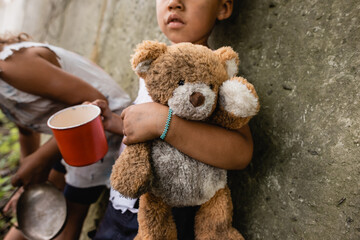
Think about all the things that can throw kids off track just because of what’s happening around them—stuff like their parents breaking up, moving away from their friends, or even landing in foster care (which Aussies call out-of-home care, or OOHC). These aren’t just background noise; they seriously mess with how kids see things, how they relate to others, and what they think of as “normal.”
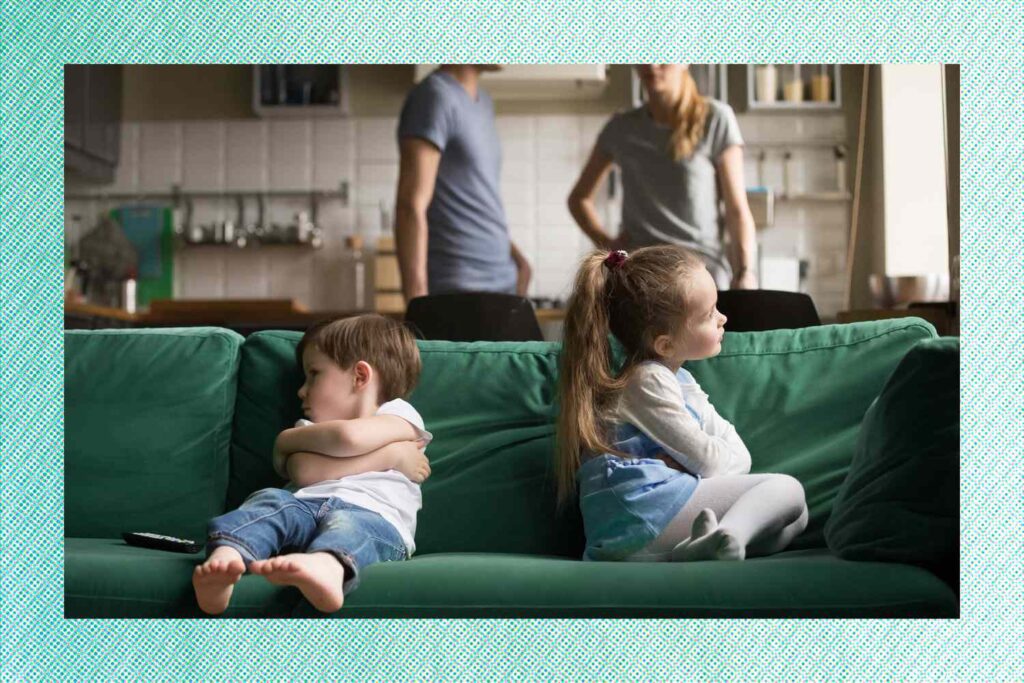
Here’s the deal: about one in four kids in Australia will have their parents split before they’re adults. That’s huge! Not every breakup is a disaster, sure, but let’s be real—it usually brings new routines, different houses, money changes, and a complete shakeup of the family atmosphere. Sometimes it’s necessary, but it’s still a lot for kids to handle (AIFS, 2020; Raising Children Network, 2024).
Now let’s talk about OOHC. Imagine more than 45,000 kids in Australia living away from their families because of some kind of crisis like trauma, violence, loss, whatever it is. And before anyone says, “But doesn’t the system help?” well, sort of, but there are still big problems, especially with Aboriginal and Torres Strait Islander children being removed from their families much more than others. That’s not just bad luck; it points to deeper issues in the system (AIHW, 2023).
All this? You can go by Bronfenbrenner’s layers if you like theory families up close, child protection rules in the middle, and then bigger stuff like social values and government policies. But you don’t need a textbook to get that these aren’t just “family problems” they’re tangled up with society, money, and politics too (Hodge and McMahon, 2022).
Impact on Children and Families
So how does this actually hit kids? Hard. When families break down, especially if there’s constant fighting, it’s the conflict (not just the separation) that really shakes kids up. Kids do way better when adults keep things calm and don’t turn home into a battlefield (Raising Children Network, 2024). Seems obvious, right?
Move a kid to a new place, or if they don’t have people around, expect more loneliness, anxiety, and emotional chaos. For kids in OOHC, the hits just keep coming trust issues, mood swings, trouble figuring out who they are. Anyone would struggle after bouncing between homes and losing any real sense of belonging. The only real fix is stability, but that’s easier said than done.
And don’t forget about parents and carers. They’re not off the hook. Separation brings grief, money stress, and a load of new things to figure out legal stuff, co-parenting, all of it. Foster carers can burn out quickly, especially when dealing with drama from birth families or when their own energy runs out. Teachers and childcare workers? They see all of this firsthand and have to adapt the way they support each kid and family.
Social Policy and Australian Reactions
So what’s Australia doing? There’s a push in family law to make things safer and more kid-focused giving kids more say, making sure their needs are noticed. Programs exist to help families after separation, with counseling and advice for making co-parenting work (Family Relationships Online, 2024).
Education has its own guidelines too, focusing on inclusion, respect for culture, and trauma-aware practices. Teachers are supposed to notice when a kid’s world is falling apart and respond with care not just “sit down and listen,” but actually caring about what’s happening at home.
Bottom line: family breakups, moving, or being in care aren’t just “kid problems” they’re huge, complicated, sometimes traumatic life events. Australia’s trying to help, but there’s still a lot left to do.
Strategies for Practice
1. Normalise Diverse Family Structures
Let’s face it, there’s no single “normal” family now. Some kids have one parent, some have more, some are with grandparents or in care so drop the “mum and dad” language and go with “your adults” or “your grown-ups.” Keep routines steady, but don’t get too rigid a little flexibility helps kids feel like they fit in (thanks, Raising Children Network, 2024).
2. Emotion Coaching Through Change
When things get shaken up for kids, they need adults who actually listen instead of brushing them off. “You’re feeling upset? Of course you are.” That sort of thing. Give them room to ask questions or just feel mad, sad whatever they need. Take it seriously, even if it seems small to you (Emerging Minds, 2023 gets it).
3. Reduce Social Isolation Through Connection-Rich Environments
Being the kid without friends is rough. Pair them up, arrange small group games, and make sure to include things that connect with their background or culture. If a family seems left out or unsure, invite them in no pressure, just make it easy for them to join (Hodge & McMahon, 2022).
4. Trauma-Aware Practice with Children in OOHC
Kids in out-of-home care need more than stickers. Predictable routines, real warmth, and genuine choices (not just “chicken or fish?”) help them feel safe and in charge. And seriously, team up with their carers everyone needs to be working together. Consistency isn’t just a buzzword, it’s what keeps things stable (Emerging Minds, 2024, 2025).
5. Strengthen Communication Across Caregivers
If a child has more than one adult caring for them (think split families or care arrangements), you can’t just guess what’s happening. Use diaries, write things down, keep everyone in the loop don’t let things fall through the cracks. It’s not just best practice, it’s exactly what NQS Quality Areas 2 and 6 are about. Teamwork matters.
Community and Professional Collaborative Relationships
Family Relationship Services / Family Relationships Online
Counselling and programs for kids and families after separation. Because nobody has all the answers (Family Relationships Online, 2024).
Raising Children Network
Tons of resources on family changes, co-parenting, and everything in between.
Providers of OOHC and Child Protection
State agencies and OOHC services provide safety planning, case support, and make sure kids are safe and okay (AIHW, 2023).
Emerging Minds
For solid, evidence-based info on trauma or separation, this is the place to go.
Local Community and Counselling services
Local centres, parent groups, and counsellors for families feeling alone or going through tough times (Hodge & McMahon, 2022). There’s no shame in asking for help.
Resources for Educators and Children
Professional Resources
- AIFS: the adjustment of children to separation.
- Emerging Minds: Separation and OOHC action guides.
- Raising Children Network: Two-home living and co-parenting.
- AIHW: OOHC and child protection data.
Children’s Books
- Two Homes – Navigating two households.
- Was It the Chocolate Pudding? – Assures children about divorce.
- Sometimes It’s Grandmas and Grandpas – Kinship care representation.
- The Invisible String – Connection on separation.
Media Resources
- Play School “families” episodes.
- ABC Kids Listen stories on feelings and family change.
- Emerging Minds animations to professionals.
- Kids Helpline wellbeing clips.