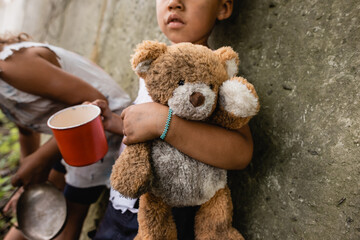
Understanding the Context
When people talk about “health and wellbeing contexts,” what they really mean is that kids carry whatever’s happening at home with them into the classroom or wherever they go. If families are dealing with tough stuff like mental health challenges, trauma, grief, alcohol or drug use, or violence, it’s not just the adults who feel it. Kids soak all that up, and it affects how safe they feel, how they behave, how they get along with others, and even whether they’re able to focus on learning.
Australia’s definitely not an exception. Plenty of parents are having a hard time. Beyond Blue says one in five adults experience anxiety or depression every year. That’s a huge number. And just because a parent is struggling with their mental health doesn’t mean they don’t care about their kids or aren’t trying their best. But honestly, it can make things like keeping routines, staying patient, or even just having the energy for parenting really hard. And when things get unstable at home, the kids feel it too (Beyond Blue, 2023).
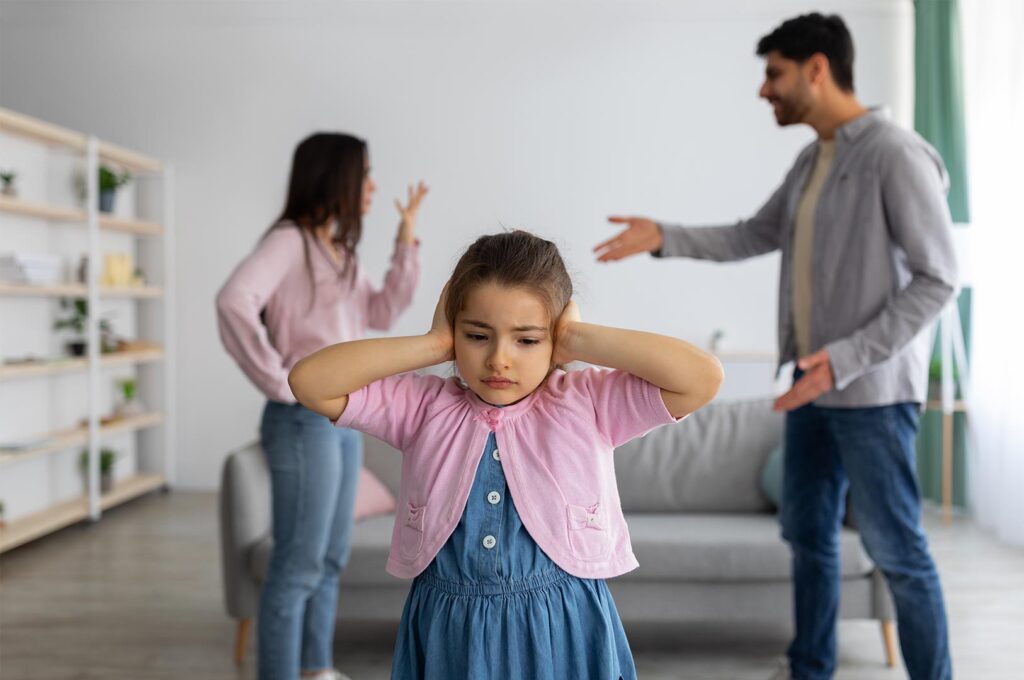
Trauma is everywhere as well. There was that major study that found over half of Australian adults went through at least one kind of child maltreatment while growing up, including witnessing violence at home. And 1800RESPECT reports that one in four kids will be exposed to family violence at some point. That’s massive. Those early experiences mess with brains, emotions, and behaviour (1800RESPECT, 2024).
And then there’s substance use. The Alcohol and Drug Foundation (2023) notes that when a parent is dealing with addiction, there’s usually a lot more going on—stress, money issues, past trauma, you name it. Kids in these situations can end up with really chaotic lives: missing school, skipping doctor appointments, days when nothing happens because everyone’s stuck in bed.
To really understand what’s going on, you need the “ecological approach”—which basically means everything is connected. Bronfenbrenner would say you can’t just look at the kid in isolation; you have to look at their family, their community, the whole environment. The Early Years Learning Framework supports this idea. The main thing is, if kids are stressed out, the most important thing is having people around who are safe and predictable (ACECQA, 2022).
Impact on Children and Families
Emerging Minds (2024) So how do kids react to all this? There’s no one answer. Some kids get quiet, anxious, or withdrawn. Others become little volcanoes, blowing up over tiny things. They pick up on the atmosphere at home, even if adults think they’re hiding it. If a parent’s mood is unpredictable, life gets chaotic, and kids end up feeling like they have to tiptoe around everything.
Kids living with violence might act out aggressively, get jumpy, have trouble focusing, or completely lose it when their routine is disrupted. 1800RESPECT (2024) emphasises that even just hearing arguments or seeing someone get hurt can leave a lasting impact. And babies? Don’t fool yourself—they sense the tension too. It’s not something they just “grow out of.”
If a parent is using alcohol or drugs, that can mess with basic things like getting to school, eating meals, or even just staying clean. Sometimes, kids end up taking care of siblings or handling responsibilities that are way too much for their age (Alcohol and Drug Foundation, 2023).
Families going through this are usually exhausted, often ashamed, and really afraid of being judged. No one wants to be called a “bad parent,” so a lot of people just keep it to themselves instead of asking for help. The stigma around mental health, addiction, or violence is still huge. It means families might not tell educators what’s going on, or reach out for support.
So when you see a kid acting out or zoning out, don’t just label them as “bad.” Most of the time, they’re just trying to cope with things that are way too much for them. Their behaviour is a big signal, waving and saying, “Hey, something’s going on in my world.”
Social Policy and Australian Reactions
There’s a stack of national initiatives out there like the Be You program (thanks to government funding)—giving early childhood educators some real skills around mental health, trauma, and all that resilience stuff. About time too kids aren’t machines (Be You, 2023).
There’s also the National Plan to End Violence Against Women and Children, a ten-year effort to stop violence before it starts, not just pick up the pieces after. That’s a step forward. Plus, there’s 1800RESPECT and a bunch of specialist organisations jumping in when families face trauma—they really know what they’re doing, not just giving out one-size-fits-all advice (Commonwealth of Australia, 2022).
Parents get support as well. Facing mental health challenges? There’s Head to Health, Beyond Blue, Black Dog Institute—plenty of options. These aren’t just helplines; they actually offer information and real pathways to help. If substance use is the issue, the Alcohol and Drug Foundation gives families real info, not just lectures.
Strategies for Practice
Build Safe, Predictable Relationships
First, safe and predictable relationships. Kids who’ve had tough experiences need adults who reliably show up. Warmth, routines, smooth transitions—simple things, big results (Emerging Minds, 2024).
Emotion Coaching and Co-Regulation
Next, emotion coaching and co-regulation. Instead of just telling kids to “calm down,” help them name their feelings, show how you handle emotions, and offer comfort. It’s not complicated; it’s about being caring.
Avoid Assumptions and Use Strengths-Based Language
Also, use strengths-based language, not judgment. Families dealing with challenges like mental illness or addiction already feel enough pressure. Focus on what’s working for them, not just what’s wrong. Build trust instead of barriers (Beyond Blue, 2023).
Trauma-Aware Practice
Trauma-aware practice is essential. Notice the signs—kids zoning out, startling easily, or overreacting to small things—and avoid making things harder with sudden changes or raised voices. Sometimes, being gentle is the win (Emerging Minds, 2024).
Connect Families to Support
And don’t keep support resources hidden. Share info about services like Head to Health or 1800RESPECT, and do it matter-of-factly, without awkwardness. Just knowing help exists can make a real difference.
Community and Professional Partnerships
Beyond Blue
Supports families experiencing anxiety or depression and provides educator resources.
Emerging Minds
Offers training on childhood trauma, grief, parental mental illness and community adversity.
1800RESPECT
Provides specialist support for families experiencing domestic or family violence.
Black Dog Institute
Evidence-based information on adult mental health and impacts on families.
Alcohol and Drug Foundation
Resources and guidance for families affected by substance use.
Resources for Educators and Children
Professional Resources
- Be You: Trauma-aware and wellbeing frameworks.
- Emerging Minds: Practice guides for mental illness and family violence.
- AIHW: Data on child wellbeing, maltreatment and risk factors.
- Black Dog Institute: Mental health fact sheets.
Children’s Books
- The Huge Bag of Worries – understanding anxiety.
- The Invisible String – coping with separation or loss.
- A Terrible Thing Happened – gentle trauma story.
- When Someone Very Special Dies – age-appropriate grief support.
Media Resources
- Play School “Through the Feelings” episodes.
- ABC Kids Listen calming stories and music.
- Emerging Minds animations for talking about tough feelings.
- Kids Helpline videos on coping and help-seeking.