Understanding the Context
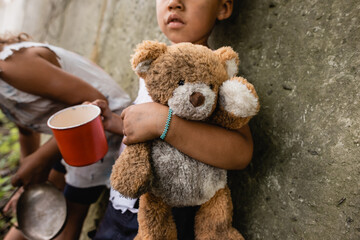
what happens to little kids when life gets thrown off track disasters rolling in, families falling apart, all of it. Australia’s been hit with more of these shocks lately: bushfires, floods, wild storms, families being forced out, and even regular violence at home. It hits kids’ minds and hearts way harder than most adults realise.
Take climate disasters, for instance. Around 1.4 million Aussie kids are caught up in wild weather each year. Bushfires, floods, heatwaves you name it. Kids in rural areas, low-income families, and First Nations communities? They get it even worse, since things were already tough. Research shows these events leave marks: more anxiety, school gets sidelined, and finishing Year 12 feels out of reach (UNICEF Australia, 2023).
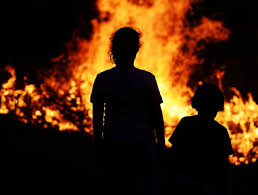
Don’t forget family violence, either. It’s everywhere two in five kids in Australia have seen or experienced domestic violence at home (that’s huge). The numbers are even starker when you look at broader maltreatment: over 60% of adults say they faced neglect, violence, or emotional abuse as kids. When your home’s a battleground, you’re always on high alert, can’t sleep properly, and trusting people becomes nearly impossible (ACMS, 2023).
And then there’s being uprooted. Maybe fire took your house. Maybe you had to escape violence. Or maybe you’re couch-hopping because rent’s through the roof. Losing your home, your belongings, your pet, your school, your friends, your feeling of safety it all builds up, especially for kids. They act out, get moody, lose their routines, and find it even harder to make friends or settle in (Emerging Minds, 2023).
Bronfenbrenner’s ecological theory points out that none of this happens in isolation. Kids are part of a whole web: family, school, community, society, even government policies and climate change. The Early Years Learning Framework (EYLF) spells it out: if kids don’t feel safe and connected, real learning just can’t happen (ACECQA, 2022).
Impact on Children and Families
The fallout? It’s obvious. After a disaster, little kids might become shadows, clinging to adults, panicking when left alone, waking from nightmares, or suddenly forgetting how to use the toilet (it happens). Sometimes they’ll “play disaster” again and again because, honestly, talking just isn’t enough for them to process everything.
Kids who live with violence at home? They might lash out, zone out, get super anxious, or just stop trusting adults. And it’s not just seeing violence—just living with that constant fear changes their brains and feelings in ways that can last their whole lives (1800RESPECT, 2023).
School becomes a mess, too. Kids who move around a lot or deal with trauma? They’re much less likely to finish high school, and the struggles start showing up long before prep. It’s tough for families as well. Parents are dealing with guilt, stress, maybe no job, maybe court stuff, and probably not enough help. That’s a heavy burden, and it can push routines and emotional warmth to the side. Sometimes, worry about being judged keeps families from reaching out for support (UNICEF Australia, 2023).
So, if you’re an early childhood educator, here’s what you need to know: when you see a kid acting out, melting down, or hanging onto you for dear life, it’s probably not “bad behaviour” it’s distress bubbling over. What kids need most isn’t punishment or lectures. They need someone who understands, who can look past the chaos to the pain underneath, and who knows how to help them feel safe again. It’s not easy, but honestly, it matters more than anything.
Social Policy and Australian Reactions
Recently, the country has actually started putting children front and centre (which feels overdue, honestly). Organisations like UNICEF Australia and Save the Children have been calling for child-focused disaster planning for years—things like making sure kids aren’t just surviving the chaos but also getting support to recover, especially mentally.
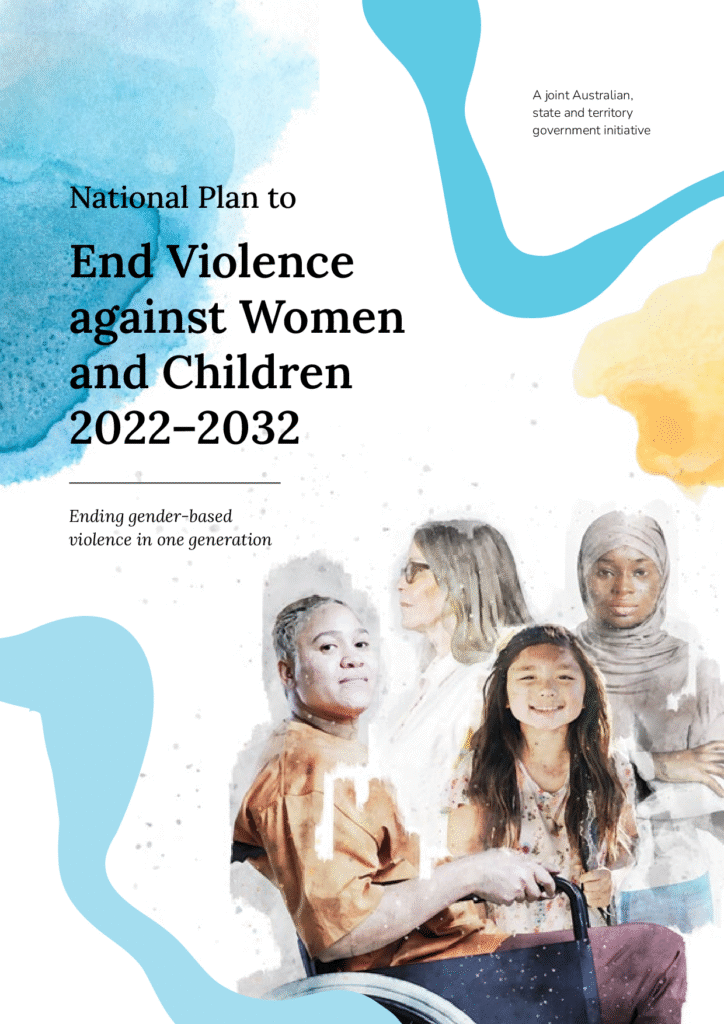
There’s this National Plan to End Violence Against Women and Children running from 2022 to 2032. It’s no joke children are right at the heart of it. The plan focuses on getting everyone from hospitals to schools to the courts to work together so kids don’t fall through the cracks (Commonwealth of Australia, 2022). Makes total sense, right?
If you look closer at early childhood settings, you’ll see things like the EYLF v2.0 and the National Quality Standard. Basically, these are the rulebooks that say, “Let’s not just talk about safety and wellbeing, let’s actually do something.” Services have to be ready for emergencies, watch out for kids’ feelings, and work with specialists. No one expects educators to be superheroes, but there’s definitely more pressure to step up (ACECQA, 2022).
Strategies for Practice
Keep Things Safe – Physically and Emotionally
Educators are supposed to be the calm in the chaos—literally. They keep routines steady, explain things simply, and help kids feel like things aren’t totally out of control (Emerging Minds, 2020).
Stick to Routines (As Much As Possible)
Kids need structure, especially when everything’s turned upside down. Mealtimes, naps, silly songs, playtime—those little routines actually help keep anxiety away.
Let Kids Express Themselves – Even If It’s Unusual
Sometimes kids won’t talk about what’s bothering them, but they’ll show it in their play or drawings. Educators aren’t pushing deep conversations, just giving kids space to work through things in their own way (Emerging Minds, 2023).
Be Trauma-Smart
Gentle voices, avoiding sudden loud noises, staying close if a child’s upset—it’s all about helping things feel safer. When kids act out, it’s usually stress showing up, not just “bad behaviour.” It takes patience (ACECQA, 2022).
Work With Families, Not Against Them
Teachers and carers team up with parents, knowing families might already be under a lot of stress. If there’s more help needed, educators can gently guide families to support services—mental health, recovery centres, family violence services, whatever’s needed.
Community and Professional Collaborative Relationships
Family Relationship Services / Family Relationships Online
Counselling and programs for kids and families after separation. Because nobody has all the answers (Family Relationships Online, 2024).
Raising Children Network
Tons of resources on family changes, co-parenting, and everything in between.
Providers of OOHC and Child Protection
State agencies and OOHC services provide safety planning, case support, and make sure kids are safe and okay (AIHW, 2023).
Emerging Minds
For solid, evidence-based info on trauma or separation, this is the place to go.
Local Community and Counselling services
Local centres, parent groups, and counsellors for families feeling alone or going through tough times (Hodge & McMahon, 2022). There’s no shame in asking for help.
Resources for Educators and Children
Professional Resources
- AIFS: the adjustment of children to separation.
- Emerging Minds: Separation and OOHC action guides.
- Raising Children Network: Two-home living and co-parenting.
- AIHW: OOHC and child protection data.
Children’s Books
- Two Homes – Navigating two households.
- Was It the Chocolate Pudding? – Assures children about divorce.
- Sometimes It’s Grandmas and Grandpas – Kinship care representation.
- The Invisible String – Connection on separation.
Media Resources
- Play School “families” episodes.
- ABC Kids Listen stories on feelings and family change.
- Emerging Minds animations to professionals.
- Kids Helpline wellbeing clips.