Understanding the Context
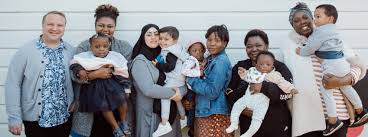
Let’s get real “cultural and diversity contexts” in early childhood education? It just means every kid brings their own mix of backgrounds, languages, stories, and family life. In Australia, that’s a real mix: First Nations families, families newly arrived from overseas, parents rebuilding after tough times, and kids moving between home, school, grandma’s place you name it.
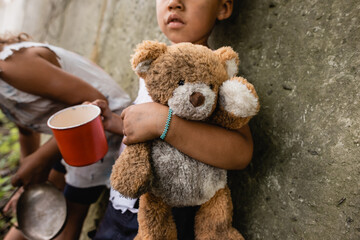
Australia is basically a patchwork of cultures. FECCA says nearly half of Australians are either born overseas or have a parent who was seriously, it’s a lot. About a quarter of households speak a language other than English at home, so you’ve got kids switching between English, Mandarin, Dari, or something else before breakfast. Refugee families have it even harder think about war, years in camps, and starting over from zero. The Refugee Council says these kids don’t just bring a backpack they’re carrying interrupted schooling, stress, and a whole lot of “where do I belong?” feelings (Refugee Council of Australia, 2023).
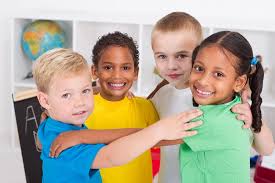
And with First Nations kids, the past isn’t just background noise. SNAICC keeps reminding us: colonisation, stolen generations, and racism are still around, not just ancient history (SNAICC, 2023). But these communities have real strengths: strong family bonds, deep connection to land, storytelling, kinship networks. When early childhood services actually respect these, it can totally change kids’ wellbeing.
Bronfenbrenner’s ecological theory? Sounds fancy, but it’s simple: imagine a kid in the middle of a bunch of circles family, school, community, and bigger stuff like government rules, racism, or what’s going on in the media. All those things shape who they become. Hodge and McMahon say you can’t separate culture from things like money, visas, or whether there’s a service your family can use (Hodge and McMahon, 2022).
Impact on Children and Families
So, what does all this mean for kids and families? Culture shapes everything how kids talk, what they find funny, how they solve problems, who they trust. When their culture is accepted at school, they feel safer, more confident, and ready to learn. That’s not just feel-good talk; ACECQA and the EYLF both say being culturally responsive is essential for belonging. Nobody wants to feel left out (ACECQA, 2022).
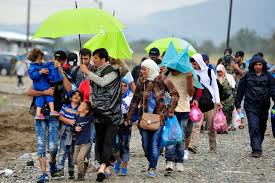
For migrant and refugee families, early childhood education in Australia can feel like being tossed in the deep end. FECCA (2022) notes that there’s the language barrier, work stress, visa worries, and the fear that teachers won’t understand their food, celebrations, or language. Kids can feel like they have to split themselves one way at home, another at school.
First Nations kids still face racism, misunderstandings, or not seeing themselves in the curriculum. The stats aren’t great Closing the Gap still reports higher rates of developmental issues for these kids. But here’s the thing: when programs put First Nations languages, stories, and land connections at the center, kids do better. It’s not complicated just respect (SNAICC, 2023).
And let’s not forget parents. Lots are missing their old home, looking for somewhere to live, longing for family, or just feeling anxious about talking to teachers especially if authority figures have been a problem before. If you’re an early childhood educator, your job isn’t just ABCs. It’s showing up with an open mind, listening, ditching the judgment, and being curious about who’s in front of you. That’s how you build real trust.
Social Policy and Australian Reactions
Alright, let’s break down what’s going on with Australia and this whole “culturally responsive practice” thing. It’s not just some trendy jargon there are real frameworks behind it. The National Quality Standard? That’s the one that’s always going on about cultural competence and making sure everyone’s genuinely included (check out Quality Area 6 if you’re into specifics). And EYLF v2.0? They’ve basically made “Cultural Responsiveness” their motto—educators are expected to actually learn about the cultures in their communities, not just tick a box (ACECQA, 2022).
When it comes to First Nations communities, most people have heard of the Closing the Gap strategy. The idea is to improve outcomes across early childhood, health, education the big stuff. How’s it going? Well… results are mixed. At least they’re recognising that you can’t just drop in solutions from outside local communities have to be the ones leading. The “one-size-fits-all” approach is out (Commonwealth of Australia, 2023).
For families arriving as migrants or refugees, there’s a whole network of support Humanitarian Settlement Program, Foundation House, Refugee Health Network. These groups deal with the tough stuff: trauma, health, helping people get settled. FECCA is always pushing for better language access and truly inclusive early childhood services (because sometimes “inclusion” is nothing more than a poster on the wall).
Strategies for Practice
Make Culture and Identity Part of Every Day
Don’t save “diversity” for just Harmony Day. Let kids use their own languages, invite family stories, label things in different languages. Start the day by acknowledging Country—these little things say “you belong here.”
Build Genuine Relationships with Families
If you’re not curious about your families, you’re missing the point. Use interpreters, bilingual staff, and translated materials—help out families who aren’t confident in English. Ask about their lives and what’s important to them. People know when you’re genuinely interested, not just ticking a box (FECCA, 2022).
Home Languages? Asset, Not Barrier
EYLF v2.0 is clear on this—keeping home languages alive is fantastic for kids’ brains and their sense of self. Let them use their languages during play, learn a few words yourself, stock your library with books in all kinds of languages.
Trauma-Informed, Culturally Safe Support for Refugee Families
Kids who’ve been through tough experiences need stability and patience. Don’t make assumptions—let them settle in at their own pace (Foundation House and Emerging Minds are great resources here). Keep an eye out for stress. It’s not about being an expert, just being kind (Refugee Council of Australia, 2023).
First Nations Voices Front and Centre
Connect with Elders. Use books by community members, share stories about Country and kinship, and make your space feel welcoming for Aboriginal and Torres Strait Islander kids. Forget token gestures—real leadership from the community is what matters (SNAICC, 2023).
Community and Professional Collaborative Relationships
SNAICC – National Voice for Our Children
Supports culturally strong, community-led programs for First Nations families.
Foundation House (Victorian Foundation for Survivors of Torture)
Provides trauma-informed support for refugee families.
Refugee Council of Australia
Offers information, programs and advocacy for newly arrived families.
FECCA – Federation of Ethnic Communities’ Councils of Australia
Guides inclusive practice and multicultural community engagement.
Local Aboriginal Community-Controlled Organisations (ACCOs)
Provide cultural guidance, family support and community connections.
Resources for Educators and Children
Professional Resources
- SNAICC: Cultural safety and early childhood guidance.
- FECCA multicultural early childhood resources.
- Refugee Council of Australia fact sheets on refugee children.
- EYLF v2.0 cultural responsiveness principles.
Children’s Books
- Welcome to Country (Aunty Joy Murphy).
- I’m Australian Too (Mem Fox).
- My Two Blankets (Irena Kobald).
- The Rabbits (John Marsden & Shaun Tan) – for gentle cultural discussions.
Media Resources
- Play School: “Through Our Eyes” First Nations episodes.
- ABC Kids Listen multilingual music and stories.
- SBS Learn multicultural short films and teacher guides.
- SNAICC storytelling videos.